
Some garden jobs are far easier in one window than any other. We do the right work in the right month, so your garden spends less of spring catching up.
No commitment. We call, you decide.
The short answer
Seasonal garden work is the set of jobs that only work at a particular point in the year, as distinct from the ongoing mowing, weeding and tidying that happens on every visit. Weeds n’ Wonders provides seasonal garden work across Melbourne’s eastern and north eastern suburbs.
Melbourne has four clear garden seasons and each one has its own short list. Autumn is leaf clearing, bindii treatment and the best planting window of the year. Winter is deciduous pruning, bare soil weeding and mulch top ups. Spring is growth management, hedge work and getting ahead of weeds. Summer is heat protection, watering and keeping the lawn cut high.
Timing matters because the same job takes less work and gives a better result in the right month. Weeds like oxalis and clover treated through autumn and winter are dealt with before they spread. Bindii found in spring has usually seeded, so it takes longer to bring under control and is worth treating as it appears. The work still helps whenever it is done. It is simply easier and more effective in its own window.
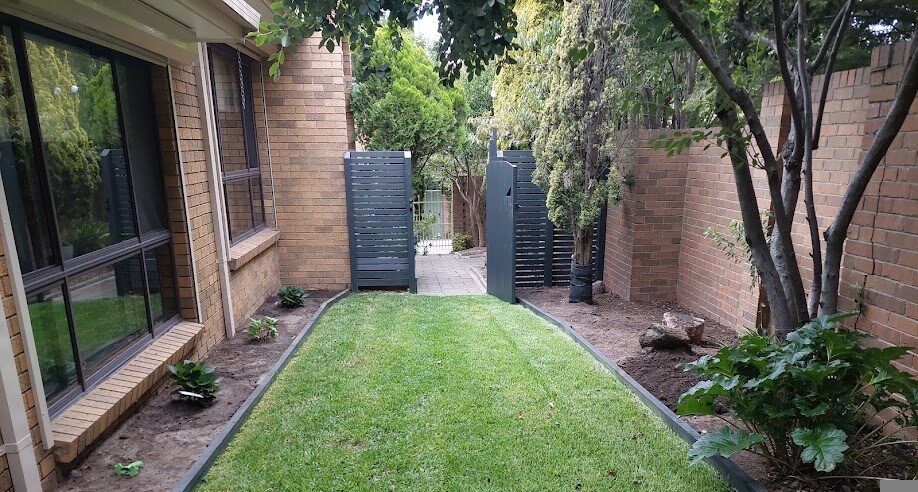
A garden kept ahead of the season. Our work, our photo.
What you get
Off lawns, out of beds and away from drains and gutter lines, before it mats down and smothers what is underneath.
Perennials, spent growth and dieback taken down at the point the plant can afford it.
Deciduous trees in dormancy, flowering plants straight after flowering, fruit trees in their own windows.
Late winter into early spring, ahead of both the weed season and the summer dry.
Particularly bindii, oxalis and clover, which are far easier to deal with months before anyone notices them.
Mulch checked, lawn height raised, heat stressed areas identified before they burn off.
Whatever the season has left behind.
Method
Poor timing can mean more weeds, stressed plants and missed flowering or fruiting. Here’s when to tackle common seasonal garden jobs.
| The job | Best time | Why timing matters |
|---|---|---|
| Bindii treatment | Autumn and winter | Treating bindii before it seeds is usually easier. Once it has seeded, the plant can still be treated, but seed already in the lawn can mean it keeps appearing and takes longer to bring under control. |
| Mulch top up | Late winter to early spring | Bare beds can give spring weeds an easier start, and a good layer of mulch helps the soil hold moisture going into summer. |
| Autumn leaf clearing | Through autumn, as leaves fall | Wet leaves can mat down and smother lawn and low plants, and patches left under leaf litter may need replanting. |
| Deciduous tree pruning | Often during winter dormancy. | It can still be pruned at other times, but once the leaves return, it can be harder to clearly see the tree’s structure and identify damaged, crossing or unwanted branches. |
| Flowering tree and shrub pruning | Soon after flowering | Many flowering trees and shrubs set next season’s buds shortly after flowering, so pruning later can remove the display you were waiting for. |
| Stone fruit pruning | After harvest, preferably in dry weather. | Wet weather pruning can increase the risk of fungal diseases such as silver leaf and canker. |
| Hedge trimming | As needed, particularly during active growth | Leaving a hedge too long can mean more growth needs to be removed to bring it back into shape. Regular trimming helps maintain a neat, dense hedge and can encourage smaller gaps and thin areas to fill out over time. |
| Lawn height raised for summer | Ahead of the heat, rather than during it | Cutting a lawn short going into summer can leave it drying out and thinning, and it may be slow to recover while the heat lasts. |
| Spring weed control | Early spring, before seeding | Weeds that set seed can multiply quickly, so leaving it a few weeks can turn one job into several. |
Seasonal jobs are easy to miss until they become bigger problems. Regular maintenance helps tackle them at the right time, before they become harder and more costly to deal with.
Local knowledge
What a garden in Melbourne’s east actually needs, season by season, and the job most people miss in each.
| Season | Months | The priority jobs | The one most people miss |
|---|---|---|---|
| Autumn | March to May | Leaf clearing as it falls. Bindii treatment. Mulch top ups. Cutting back spent perennials. The best planting window of the year, while soil is still warm and rain is returning. | Bindii. Few people think about it in April, and most think about it in October, by which point it takes far more work to bring back under control. |
| Winter | June to August | Deciduous and fruit tree pruning in dormancy. Weeding while the soil is soft and weeds pull cleanly. Mulch top ups from late winter. Citrus pruning late winter after harvest. Clearing drains and gutter lines. | Weeding. Winter weeds grow quietly, and a bed left through winter starts spring well behind. |
| Spring | September to November | Managing the growth surge. First proper hedge trim in late spring, once frost risk has passed. Weed control before anything seeds. Feeding lawns. Pruning spring flowering shrubs straight after they finish. | Getting ahead of it. Spring is far easier for anyone who did the work in autumn. |
| Summer | December to February | Mowing high to protect the lawn. Checking mulch depth before the heat. Watering deeply and less often. Stone fruit pruning after harvest in dry weather. Keeping dry growth and litter away from fences and structures. | Mowing height. Cutting a lawn short in a Melbourne January is one of the quickest ways to stress it, and it is slow to recover while the heat lasts. |
Every timing here matches the reference tables on our weeding, lawn, hedge, mulching and tree pruning pages. One calendar, used across the whole garden.
Almost everyone gardens in spring, because spring is when the garden demands attention. But by spring, most of the work is catching up. Bindii has usually seeded. Beds are already bare. Weeds are already established.
Autumn is quiet, the soil is still warm, the rain is coming back, and almost nothing is urgent. It is the cheapest and easiest time to do work that pays off six months later. It is also the season most commonly skipped.
If you only book one seasonal visit a year, book it in autumn.
The pattern
Spring is when most people look at their garden properly, and it is also the hardest time to start from scratch.
Lawn, weeds, hedges and shrubs all accelerate together in September. A garden that was manageable in August can quickly get ahead of you by October.
By spring, weeds are growing, deciduous trees are coming back into leaf and fruit trees and garden beds are bursting into growth. What was easier to tackle earlier can quickly become catch up work, making a dedicated seasonal visit worthwhile.
Overgrown hedges, established weeds and neglected garden beds can take more work to bring back under control. Staying ahead with seasonal maintenance helps keep the garden manageable and looking its best.
Working seasonally breaks the cycle. The autumn and winter work is quiet, unglamorous and mostly invisible, and it is the reason some gardens sail through spring while others spend it in recovery.
Rhythm
Different seasons bring different garden maintenance priorities. Autumn and winter are often useful for clearing, pruning and preparing the garden, while spring and summer bring faster growth and their own seasonal maintenance needs.
Clients on regular garden maintenance usually have seasonal jobs folded into the visit that falls in the right month, so nothing needs booking separately. It simply happens.
For everyone else, seasonal visits are booked as one offs. If you only book one, winter is a great time to prepare the garden for spring.
Pricing
Seasonal work is quoted per visit, based on the size of the garden and what the season actually calls for. An autumn leaf clearance on a large treed block and a summer mulch check on a courtyard are very different jobs.
We tell you what the garden needs this season, what can wait, and what it will cost, before anything starts. If a job would be better done in three months, we will say so rather than sell it to you now.
For clients on regular maintenance, most seasonal work is absorbed into the visit that falls at the right time.
Before and after
Real Melbourne gardens across the year. Every photo is our own work.
Courtyard clean up. Fallen leaves cleared from a formal courtyard, back to the gravel and clipped hedges.
Leaf clearing. A side path buried under fallen leaves, cleared back to the paving and the bed.
Reviews
Rated 5 out of 5 on Google.
Service areas
Weeds n’ Wonders provides seasonal garden work in the following suburbs.
Seasonal garden services in Kew
Seasonal garden services in Camberwell
Seasonal garden services in Hawthorn
Seasonal garden services in Balwyn
Seasonal garden services in Ivanhoe
Seasonal garden services in Toorak
Nearby but not listed? Call us. If you are close we can usually help.
Related services
Oxalis, clover and bindii in winter, spring weeds before they seed. Almost every seasonal job list starts here.
Late winter into early spring, ahead of the weeds and the summer dry.
Deciduous in dormancy, flowering trees after flowering, fruit in its own window.
Late spring and late summer, the two trims that keep a hedge dense.
Height raised for summer, dropped again in autumn.
Autumn produces more garden waste than any other season.
FAQ
Autumn is for leaf clearing as it falls, bindii treatment, mulch top ups and cutting back spent perennials. It is also the best planting window of the year in Melbourne, because the soil is still warm and rainfall is returning. Autumn is the most valuable and most commonly skipped season in a Melbourne garden.
Winter is for pruning deciduous and fruit trees while they are dormant, weeding while the soil is soft enough for roots to pull cleanly, topping up mulch from late winter, and pruning citrus after harvest. Winter is also when drainage problems become visible, which makes it the right time to notice them.
Late winter into early spring, not December. Mulch should be at 50 to 75 mm before the heat arrives, and lawn mowing height should be raised before summer rather than during it. Work done once a garden is already heat stressed protects very little.
Regular maintenance is the ongoing work that happens every visit, including mowing, weeding, edging and tidying. Seasonal services are jobs that only work in a specific window, such as bindii treatment in winter, dormant tree pruning, autumn leaf clearing and pre summer mulching. Clients on regular visits usually have seasonal work folded into the visit that falls in the right month.
Some can and some are better timed. Leaf clearing and general tidying work any time. Bindii treatment, dormant pruning, pruning after flowering and pre summer mulching all have windows, and doing them well outside those windows gives a poorer result, and on some plants can set them back.
There’s no set number. How often a garden needs seasonal attention depends on the plants, size of the garden and the work required throughout the year. Regularly maintained gardens can often have seasonal jobs incorporated as they come up, while larger jobs may benefit from a dedicated seasonal visit.
Yes. Autumn and spring clean ups are commonly booked as one offs, particularly by people who manage the garden themselves for most of the year and want the seasonal jobs handled properly.
Usually because the work leading into spring wasn’t done. Weeds left to establish become harder to stay on top of. Garden beds that needed mulching have been left bare, giving weeds an easier start. Pruning and clearing that was put off becomes catch up work. Spring often reflects what happened in the months before it.
Weeds n’ Wonders covers Melbourne’s eastern and north eastern suburbs, including Kew, Camberwell, Hawthorn, Balwyn, Ivanhoe and Toorak.
Booking
Book a visit and we will tell you what your garden needs this season, what can wait, and what will cost you if it does.
No commitment. We call, you decide.